EN

These sudden changes have raised concerns, particularly in learning and development, where leaders are questioning what the future holds.
OTD hosted a leadership forum, held by AI assisted training and development expert, Mohamed Abdel Kader, specifically for professionals in learning and development roles. It took a closer look at the opportunities afforded by AI but also its potential limitations.
What we discovered:
Throughout the discussion, we were reminded to look at AI from an objective perspective.
Humans can solve complex problems in ways AI cannot, although used effectively, automation can assist us in processing information quickly. Therefore, it’s vital to become familiar with the emerging technology.
As one participant put it: “the person who is taking my job isn’t AI, it’s someone who knows how to use AI better than me”.
With AI’s potential to support professionals established, the discussion turned to how it could benefit those in learning and development. Panelists shared ways leaders can help their teams use AI more effectively. Suggestions included:
An introspective look at daily workflows can also identify specific pain points, allowing professionals to determine exactly where AI can help them. From summarising meetings to handling admin tasks, there are various ways AI can improve productivity. It’s important to gain a sense of familiarity with it and explore the extent to which it can personally assist you.
While some roles will undoubtedly be replaced by AI, the same World Economic Forum report that forecasts significant displacement of employment, also predicts that automation will create up to 170 million new jobs in the same period. The key then, will be our ability to adapt to changing conditions.
AI literacy is now a criterion in many job listings, with AI fluency being a strong priority when selecting ideal candidates. It's another reason why everyone from entry level professionals to CEOs need to familiarise themselves with the emerging technology. Hesitation can quickly leave organisations on the outside looking in.
Adopting a ‘growth mindset’ is also crucial to utilising AI successfully. Viewing AI as a tool and not your replacement can only be beneficial. As another participant put it, “AI starts and ends with a human”.
Critical thinking enables professionals to use AI effectively by evaluating its outputs and deciding how to act on them. Ultimately, the central message of the leadership forum was clear: AI’s effectiveness depends on how people use it.
The integration of AI in the workplace has resulted in a major shift. According to the World Economic Forum, 92 million existing jobs will be displaced by automation by 2030.
Read More
OTD is investing in its project management expertise to support the delivery of complex training programmes for customers in the UK and internationally.
Read More
Gen Z is challenging leaders to rethink what people need from the workplace but are their expectations really that different? Drawing on insights from OTD’s Leadership Forums, we explore what Gen Z can teach us about meaningful work, inclusion, development and what great leadership looks like for everyone.
Read More
AI is moving from exploration to everyday use across life sciences but confidence isn't necessarily keeping up. Our latest survey of L&D leaders explores how organisations are using AI, including the barriers they're facing and why practical, role-specific support could be key to responsible adoption.
Read More
What happens when clinical specialists move from providing answers to asking better questions? Discover how one global healthcare organisation transformed customer conversations through a tailored OTD programme with 169 delegates across 45+ countries and measurable improvements in capability.
Read More
The Black Business Collective, a subscriber network for Black business owners and professionals backed by the Greater Birmingham Chambers of Commerce, has appointed Chris Cummins as its new chair.
Read More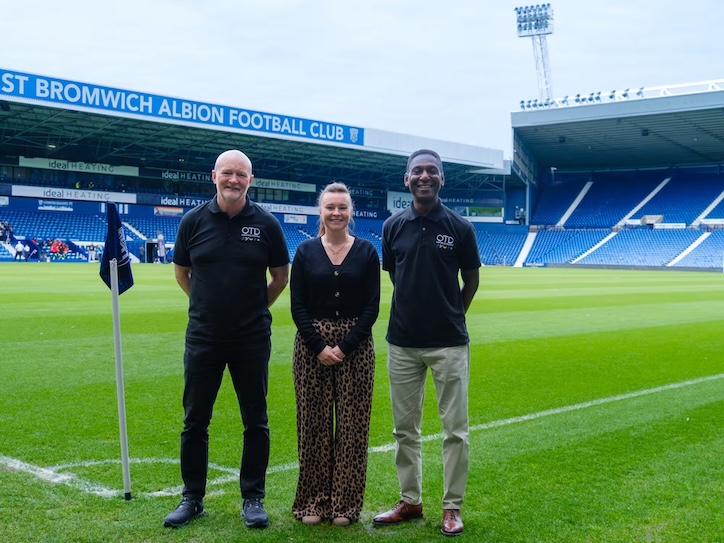
OTD has furthered its commitment to making a meaningful and lasting difference across the local community, by joining The Albion Foundation Patron Club.
Read More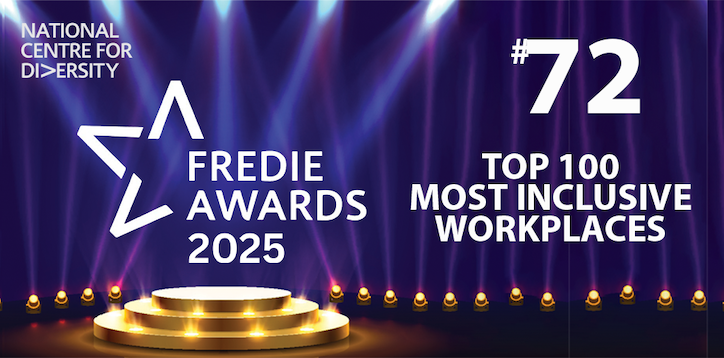
OTD has been named one of the UK’s top 100 inclusive employers by the National Centre for Diversity.
Read More
When political rhetoric downplays the importance of equity, diversity and inclusion (EDI), it’s easy for companies to lose sight of why EDI matters. Lian Bemrose, culture and compliance manager at OTD, explains why inclusion isn’t a distraction from real business - it is real business.
Read More
Many of our customers, new and prospective, often ask the same question: “How do you do what you do?” To give them a glimpse, we’ve created a short video clip.
Read More
Quality means more than delivering a great workshop. It’s about creating a seamless experience from beginning to end, one that feels personal, engaging, and truly delivers for every customer.
Read More
Artificial intelligence is rapidly changing how people perform at work, but how can it be used to translate learning into performance?
Read More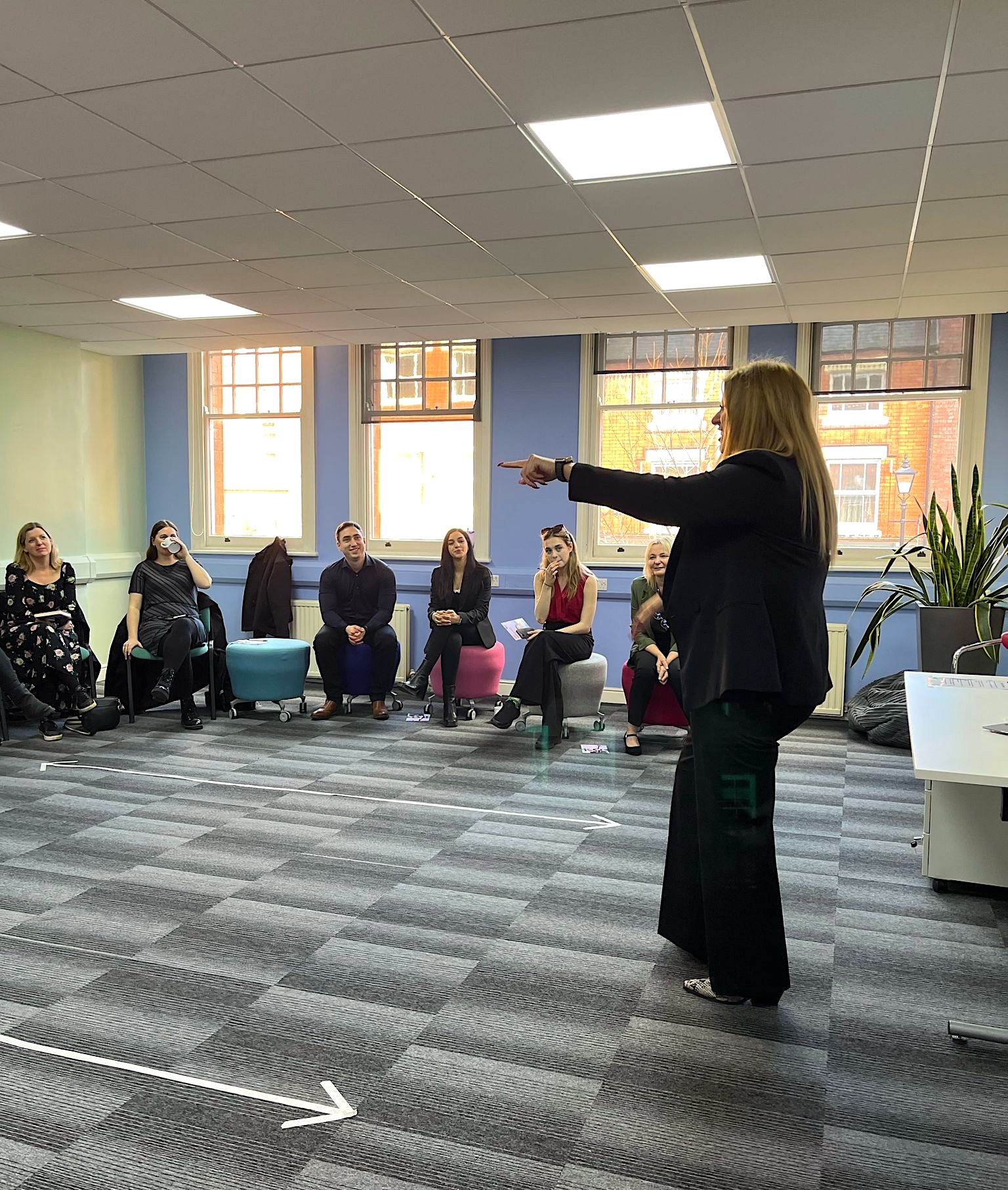
Did you know that almost 1,000 participants in OTD workshops over the past year ranked influencing skills as their top development priority?
Read More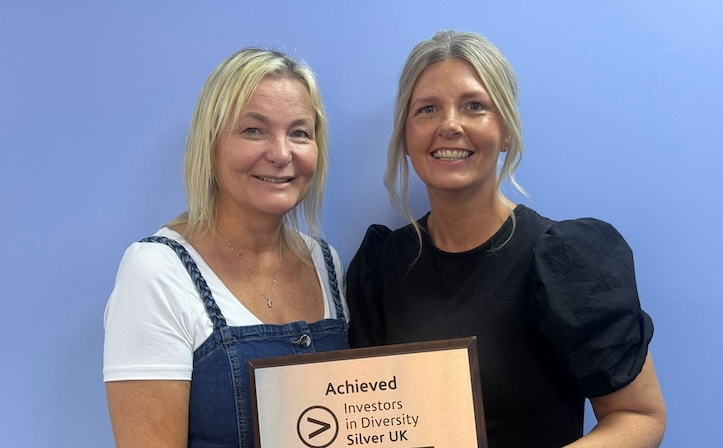
OTD has been awarded the Investors in Diversity (IiD) Silver accreditation by the National Centre for Diversity, recognising its commitment to creating a fair, inclusive, and respectful workplace culture.
Read More
OTD co-founder, Chris Cummins, has been selected to join a committee of Black business leaders who are supporting the economic growth and development of Black-owned businesses.
Read More
OTD is proud to support this year’s Homelessness Doesn’t Take a Holiday campaign from Birmingham-based charity SIFA Fireside - and is calling on other local businesses to do the same.
Read More
OTD has expanded its senior team with the appointment of two experienced project managers, boosting its ability to deliver complex programmes worldwide.
Read More
OTD has announced the launch dates for its City & Guilds Assured 'Performance Coaching with GROW' programme, with two interactive sessions taking place on Thursday 15 May and Wednesday 21 May 2025.
Read More
In today’s fast-paced business environment, organisations need leaders who can coach effectively, empower teams, and drive sustainable success.
Read More
Imagine if your team could craft world-class pitches, deliver exceptional coaching programmes, and achieve outstanding customer outcomes. What impact would that have on your business?
Read More
OTD has announced a strategic investment in project management expertise to strengthen the international delivery of its coaching and training services.
Read More
The times, they are a-changin’ - but some challenges remain the same.
Read More
OTD is gearing up for an exciting year of NLP training in 2025, with a series of programmes led by co-founder Chris Cummins.
Read More
Birmingham-based global coaching and training business, OTD, has announced the appointment of Rebecca Farnworth as managing director, effective January 2025.
Read More
Skills can drive your business forward. But how can you be sure the training you're investing in will deliver the results you need?
Read More
Inclusivity isn’t about ticking boxes - it’s about creating a culture where every individual is seen, heard, and respected.
Read More
Your people matter to us. We’re driven by a simple mission: to inspire your team to thrive, by creating lasting change.
Read More
Goal setting is the key to creating long-term behavioural change. Here, we identify six ways you can reach your goals.
Read More
OTD has announced that it has become a member of Race Equality Matters, a UK-based initiative dedicated to tackling race inequality in the workplace and beyond.
Read More
Coaching can help individuals reach personal transformations. Here are some key coaching trends that are making this happen.
Read More
OTD has launched its first podcast series in celebration of Black History Month (BHM) 2024.
Read More
“Rome wasn’t built in a day.” It’s a statement that rings as true now as it did when it was first spoken.
Read More
OTD is set to offer its world renowned presentation skills training to consumers.
Read More
When it comes to managing a successful business, culture is everything.
Read More
OTD has been awarded an international quality mark for excellence in training and learning.
Read More
Global coaching and training business, OTD, has announced a new collaboration with Quaffle, a Singapore-based technology company dedicated to improving team performance through advanced feedback solutions.
Read More
OTD will team up with Eleven Sports Media and the Birmingham City Community Partnership for the 2024/25 season.
Read More
OTD has been awarded We invest in people, platinum accreditation by Investors in People (IIP).
Read More
OTD has announced the appointment of its first culture and compliance manager.
Read More
"My brain had too many tabs open,” explains Lian Bemrose, who recently returned to work at OTD, following maternity leave.
Read More
OTD has announced an exciting new series of NLP programmes available to attend in 2024.
Read More
When you’ve delivered a successful programme for 17 years, there’s a temptation to retain the status quo.
Read More
OTD has launched a new digital application that is set to complement its delivery of world-renowned programmes.
Read More
Do you feel able to express yourself at work? Many of us are uncomfortable about doing so.
Read More
OTD has reaffirmed its commitment to equity, diversity and inclusion by announcing that all of its business coaches are to receive inclusivity training.
Read More
A Birmingham-based global training company has given local businesses a taste of what it takes to be a world-class presenter.
Read More
Birmingham-based global training company, OTD, has announced a bold new brand identity and revealed its new website.
Read More
It’s World Listening Day, an annual global event which focuses on understanding cultures and societies through listening.
Read More
OTD has reported a record Net Promoter Score (NPS) following recent survey data analysis.
Read More
It’s International Coaching Week, a global celebration of the power and impact of professional coaching.
Read More
Report reveals extent of OTD’s community partnership, including its ongoing commitment to four chosen charities.
Read More
OTD has announced a new community partnership with one of English football’s most historic clubs.
Read More